

Tax Fights, New Loans & Big Plans
From fresh homebuyer assistance and Montgomery County's 2K-unit goal to stalled tax abatements and waterfront refinancing
🏘️💰✨ Residential – Listings, Moves & Market Trends
💸 Pennsylvania launches new homebuyer loan with extra help for lower-priced homes👉🏾 💰🏡 More assistance for buyers targeting affordable properties
Pennsylvania is trying to meet first-time buyers where the math actually hurts: the cash needed to close.
The new Keystone assistance loan helps with down payments and closing costs, but the smart part is the sliding scale. Buyers purchasing lower-priced homes can qualify for more help, which puts the support closer to the people most likely to be blocked by upfront cash.
A few pieces that matter:
the program is aimed at owner-occupant buyers, not investors
assistance scales based on purchase price
lower-priced homes get the bigger boost
the help is focused on the cash-to-close problem, not just monthly payment
For Philly-area buyers, this does not magically fix affordability. But it could be the nudge that turns a qualified renter into an actual buyer.

🏘️📊 Montgomery County sets aggressive goal: 2,000 new housing units per year👉🏾 🏗️📈 The suburbs are finally talking like housing supply is an economic issue
Montgomery County is putting a real number on the housing problem: 2,000 new units every year.
That matters because suburban housing conversations usually get stuck in soft language. Need more affordability. Need more options. Need more supply. This plan is more direct. It says the county has to build at a pace that actually matches demand.
What jumps out:
2,000 units per year is the stated production goal
the focus is countywide, not just one municipality
it puts pressure on zoning, approvals, infrastructure, and local politics
it recognizes that suburban job centers need places for people to live nearby
If Montgomery County gets serious about this, it could change more than housing totals. It could reshape where buyers look when Philly inventory feels tight and Main Line pricing feels out of reach.
🎨🎉🌟 Lifestyle & Entertainment – Food, Fun, Festivals & Philly Vibes
🎪 Your Philadelphia week: outdoor concerts, rooftop hangs, and summer festival energy👉🏾 🎉🌇 The city is officially in get-outside-and-do-something mode
This is one of those weeks where Philly starts acting like summer before the calendar fully admits it.
🎶 Outdoor shows and live music are giving people a reason to stay out after work
🍽️ Food events are doing what Philly does best: turning a regular week into a neighborhood excuse
🖼️ Museum and exhibit stops are good for the not-every-plan-needs-to-be-a-bar crowd
🌳 Parks and public spaces are carrying the week, especially when the weather cooperates
🏟️ Sports Complex energy gets louder as the city stacks games, concerts, and bigger crowds
🍻 Rooftops, beer gardens, and patios are officially back in the weekly rotation
👟 Walkable plans win right now because parking gets annoying fast
🧭 Best move: pick one anchor event, then let the neighborhood around it become the rest of the night
This is the lifestyle side of real estate in plain English: people love neighborhoods where the week already has something waiting for them.

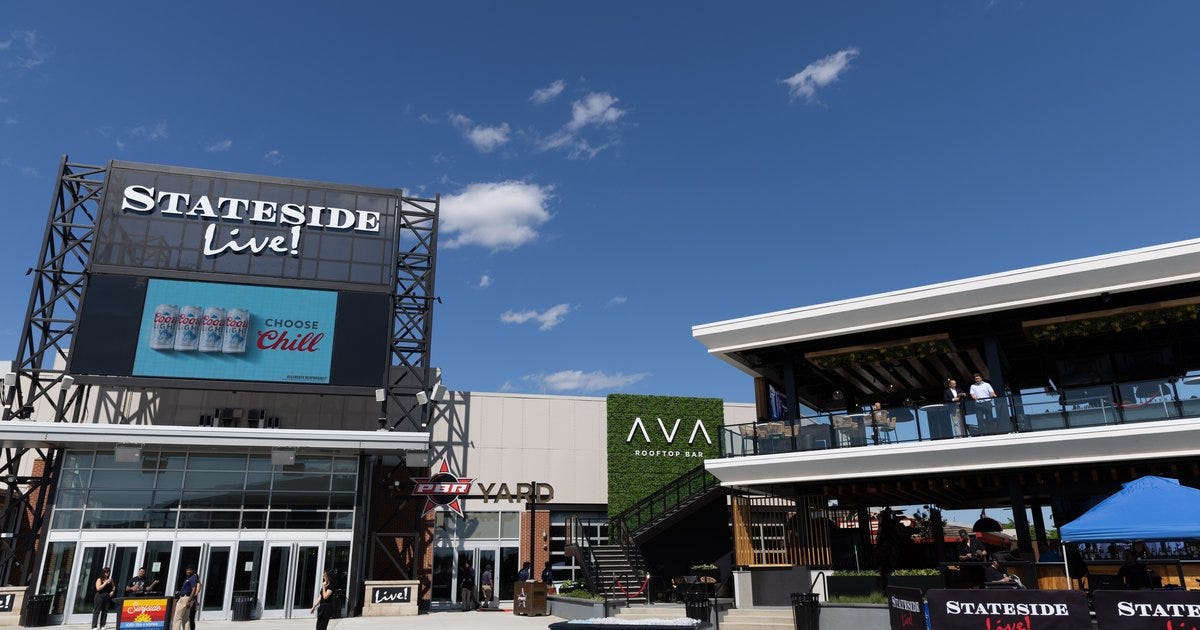
🏟️🍻 Stateside Live gets $20M makeover with rooftop bar and expanded outdoor spaces👉🏾 🍻🏟️ The Sports Complex keeps turning into more than just a place you go for the game
Stateside Live is back with a $20 million renovation, and the goal is obvious: make the Sports Complex feel like a destination before and after the event, not just the place where you park and rush inside.
What changed:
roughly $20 million in renovations
rooftop bar added to the experience
expanded outdoor gathering areas
more screens and more flexible event space
stronger year-round use beyond game days
South Philly already knows how to tailgate. This is the commercial version of that same instinct: keep people there longer, give them more reasons to spend, and make the district feel active even between innings, quarters, and concert sets.
🏢💼🌟 Commercial – Towers, Deals & Transformations
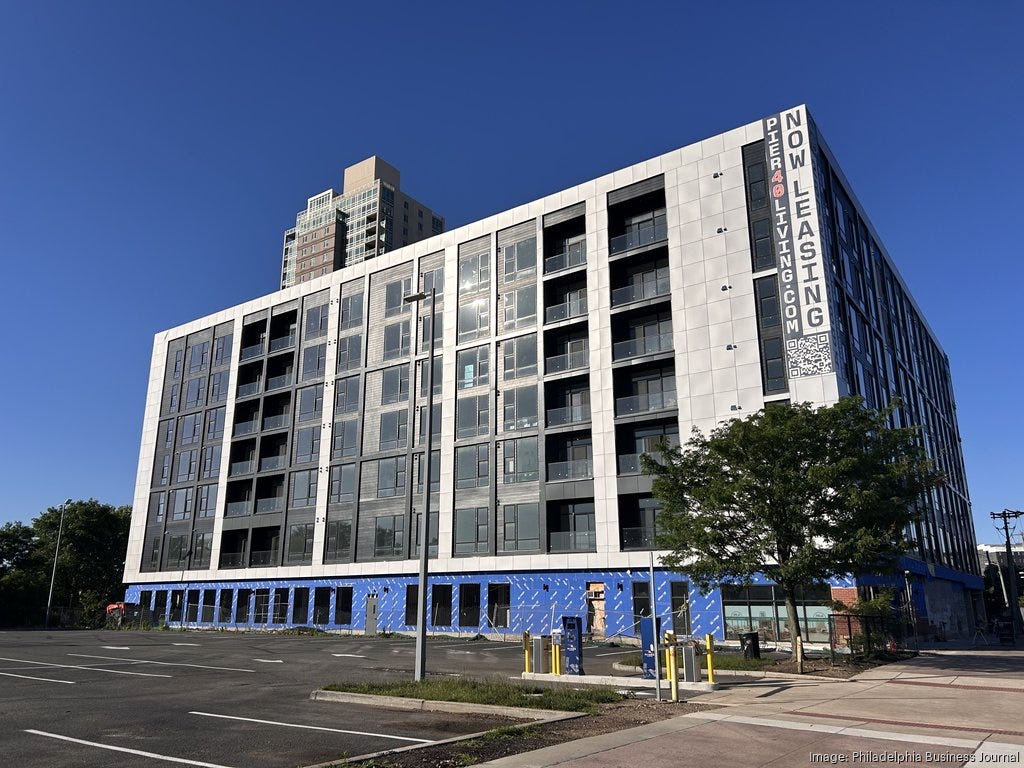
🌊💰 Philadelphia developer secures $43M refinancing for waterfront project👉🏾 💵🌊 A big refinancing says the waterfront story is still moving, even in a tougher capital market
A $43 million refinancing is not the flashiest headline, but in this market it says something.
The read here:
$43 million in refinancing keeps the project capitalized
waterfront real estate remains one of Philly's stronger long-term plays
lenders are still backing projects with a believable path forward
refinancing can be as important as a new groundbreaking when rates are high
This is the quieter side of development. Not the ribbon cutting. Not the renderings. The financing that decides whether the thing actually keeps moving.
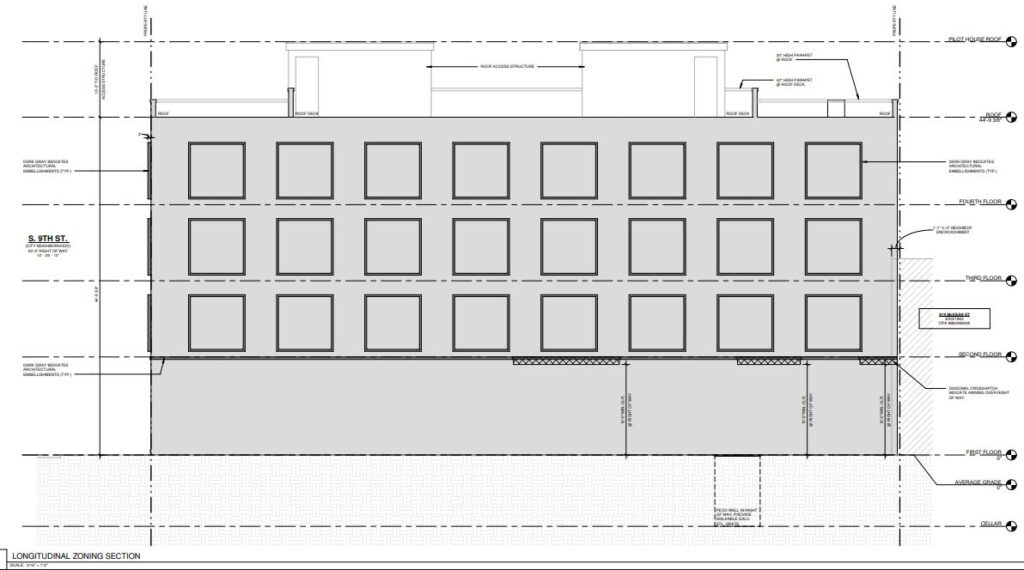
📋🏗️ Permits issued for 24-unit mixed-use building at 900-08 McKean Street👉🏾 🏗️🏙️ South Philly keeps adding small mixed-use density one corner at a time
This is exactly why YIMBY belongs in the Commercial bucket for ReLLestate. It is not just housing. It is mixed-use infill with commercial space baked into the street-level story.
The facts:
24 residential units
mixed-use building
commercial component at street level
South Philadelphia location
permit movement, which means this is past the pure concept stage
Not every development story has to be a skyline changer. Sometimes the more important Philly story is a mid-sized building that adds homes, activates a corner, and makes the neighborhood a little more walkable.
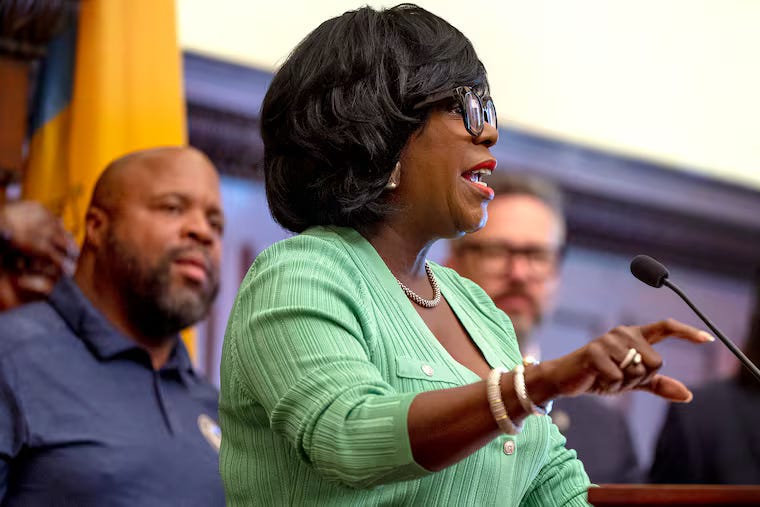
🏛️❓ Mayor Parker's 20-year tax abatement stalls amid school funding debate👉🏾 🏛️📉 The development incentive conversation is now tangled up with schools, politics, and timing
Mayor Parker wanted a 20-year tax abatement to help jump-start development, but the proposal has not moved the way developers were watching for.
What is holding it up:
the abatement legislation was not introduced on the original timeline
school funding and potential closures changed the political backdrop
City Council has to balance development incentives against public revenue concerns
the proposal is delayed, not necessarily dead
That last part matters. Developers care about certainty. If the city wants more projects to pencil, the incentive package cannot live in maybe-land forever.
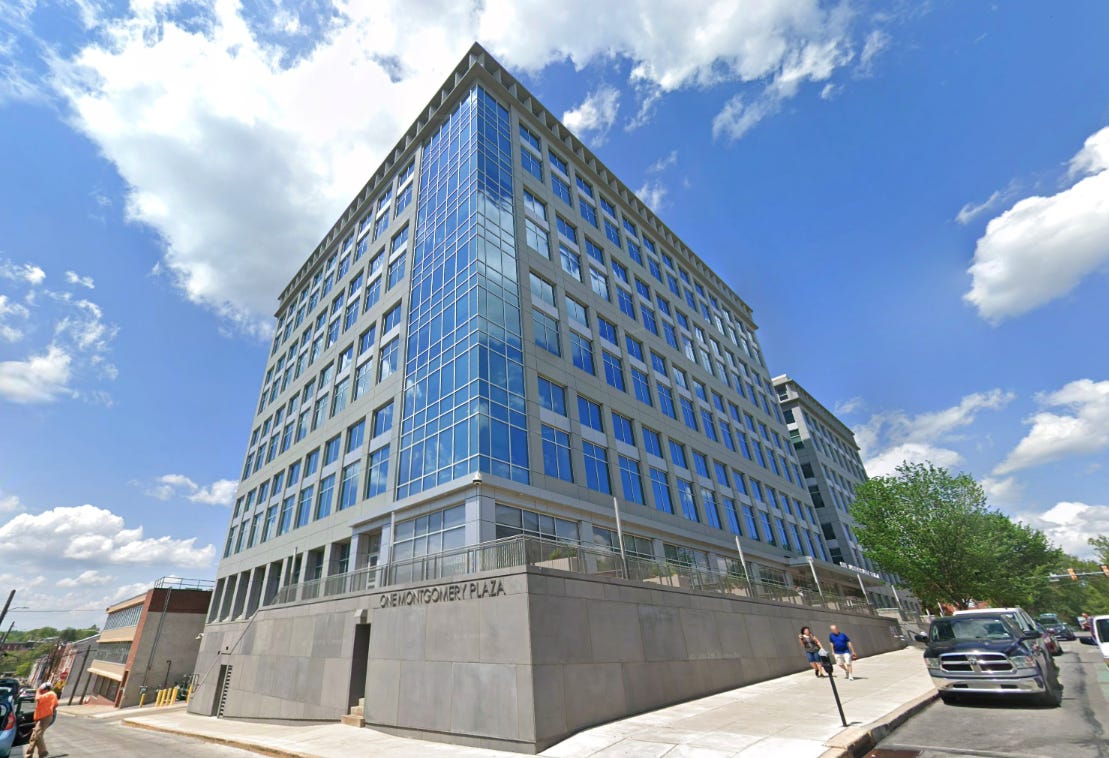
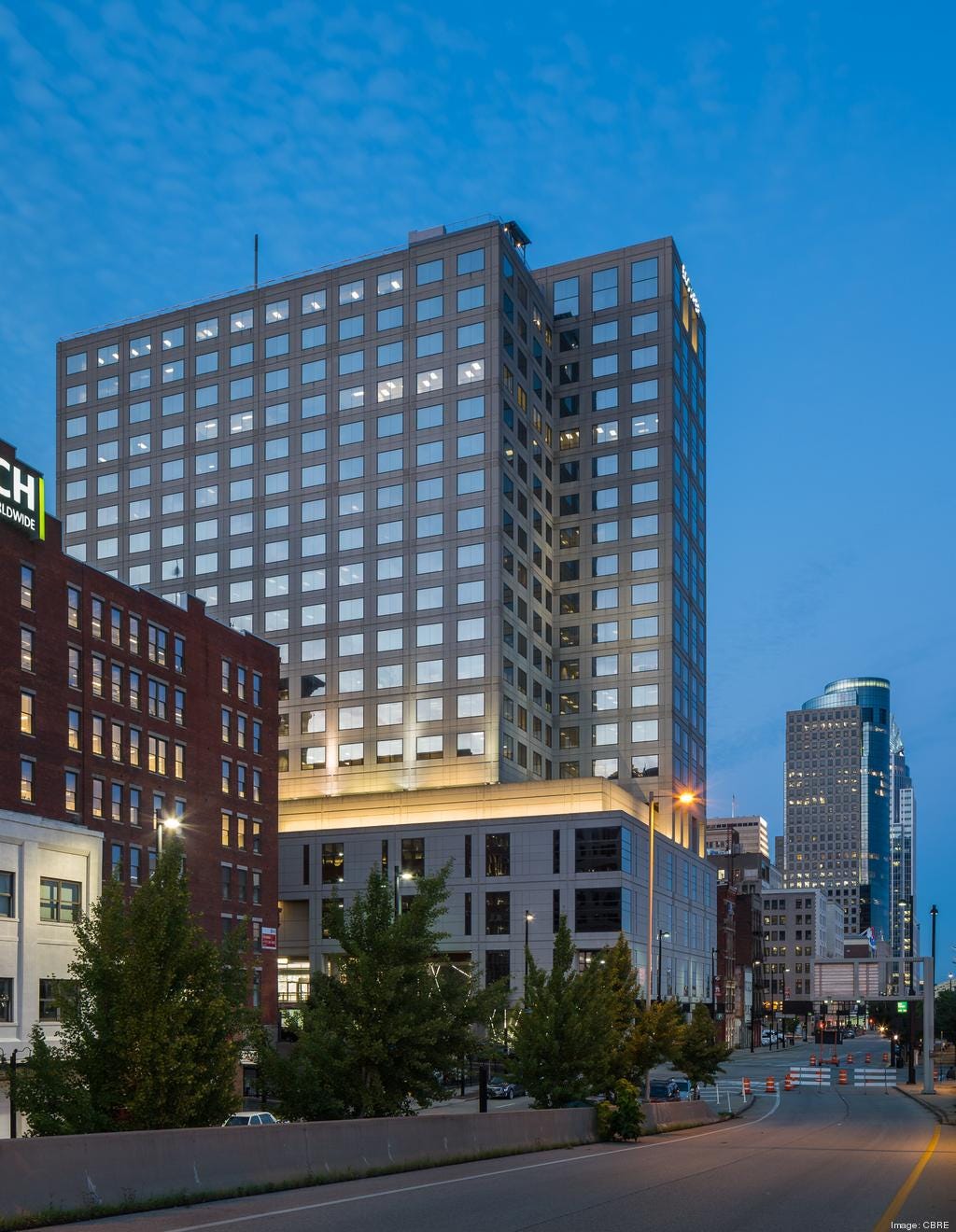
🏢⚖️ Two office towers owned by Philadelphia firm head to sheriff's sale👉🏾 🏢⚠️ Office distress is still working its way through the local market
Two office towers heading to sheriff's sale is the kind of headline that reminds everyone the office reset is not theoretical anymore.
The stress shows up in a few ways:
debt that was manageable under old assumptions gets harder to carry
leasing demand is still uneven
older office assets need a clearer reason to exist
owners are running out of time to wait for the market to snap back
This does not mean every office building is doomed. But it does mean the market is sorting assets faster now. Well-located, well-capitalized, useful buildings still have a lane. The rest need a plan, a conversion angle, or a very patient lender.
🚚🏭📦 Industrial – Warehouses, Logistics & Big Boxes
🏭📦 Industrial Industry RecapIndustrial is not giving us one clean Philly headline this week, so the better move is to read the market underneath the noise.
The signals worth watching:
logistics demand is still tied to Philly's Northeast corridor position
older industrial buildings remain conversion candidates when residential economics work
tenants are taking longer to make space decisions
well-located distribution space still has a stronger story than commodity office
industrial-to-residential conversion only works when zoning, incentives, and construction costs line up
So the read is simple: industrial is still one of the healthier commercial lanes, but nobody gets to be lazy anymore. Location, building quality, truck access, and reuse potential matter more than they did when demand was running hot.
Another week in Philly real estate where housing policy, capital markets, and neighborhood energy are all moving at the same time. That is the real story: buyers need help, suburbs need supply, developers need financing, and the city still has to decide what kind of growth it actually wants.
Photo: King of Hearts, CC BY-SA 3.0, via Wikimedia Commons

Also published on Substack.